
The animal kingdom, which is found all throughout our beloved planet Earth, comes in a wide range of shapes and sizes. Some are too massive, while others are too tiny.
Here we have a question “Who would live a better life”? Perhaps you are definitely thinking, whether it is a forest or an ocean, having a huge size would have been more beneficial. But friends, I believe that being small in size leads to a lot of advantages. Just imagine if an organism is small in size, it needs small quantities of food resources for survival and can have maximum reproduction. Being small in size can save them from the sight of predators, which will be more effective in self-protection. In addition, there will be a maximum of options to hide.
Things apart, these tiny little souls are incredibly cute. Here we have a list of some such small-sized tiny creatures.
15. Wolfia Globosa: Flowing Plant (0.1 – 0.02 mm)
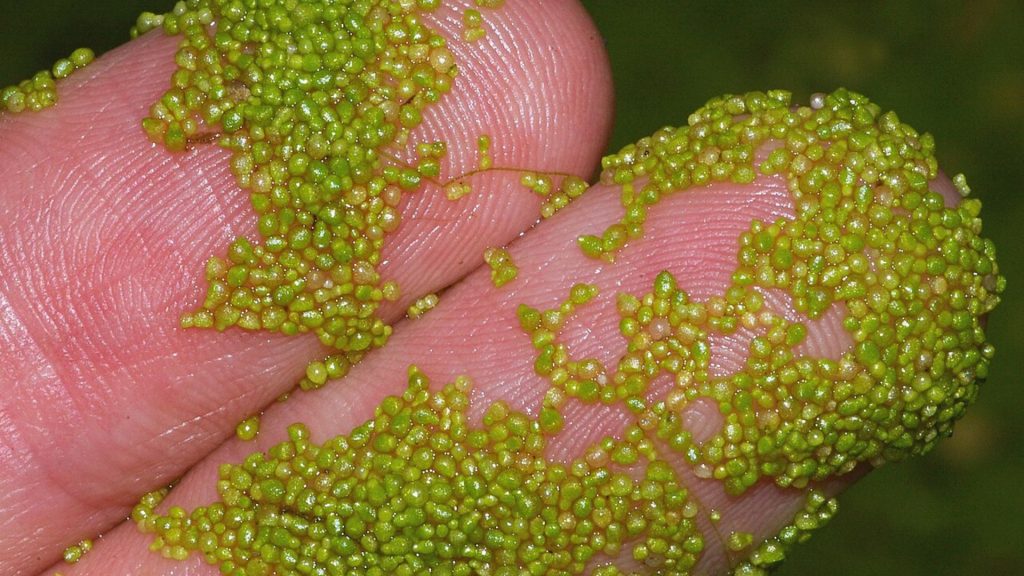
Wolffia Globosa is a species of flowering plant which is also known by the names Asian watermeal and duckweed. It is basically found in the Asian provinces. Apart from this, it has been seen in some provinces of America. It grew like a mat on the calm surface of freshwater bodies like ponds, lakes, and marshes. It has an oval shape like bright green rice, is very thin, and does not have leaves, even a stem, or a root. It earns the title of smallest flowering plant in the world with a size of less than 1 mm and a diameter of 0.01 mm to 0.02 mm. Wolffia Globosa is also called Asian watermeal. They are nutrient-dense and very beneficial for health. It is a high-protein meal similar to meat, with 40% protein.
14. Fairy flies: Insect (0.5 – 1.0 mm)
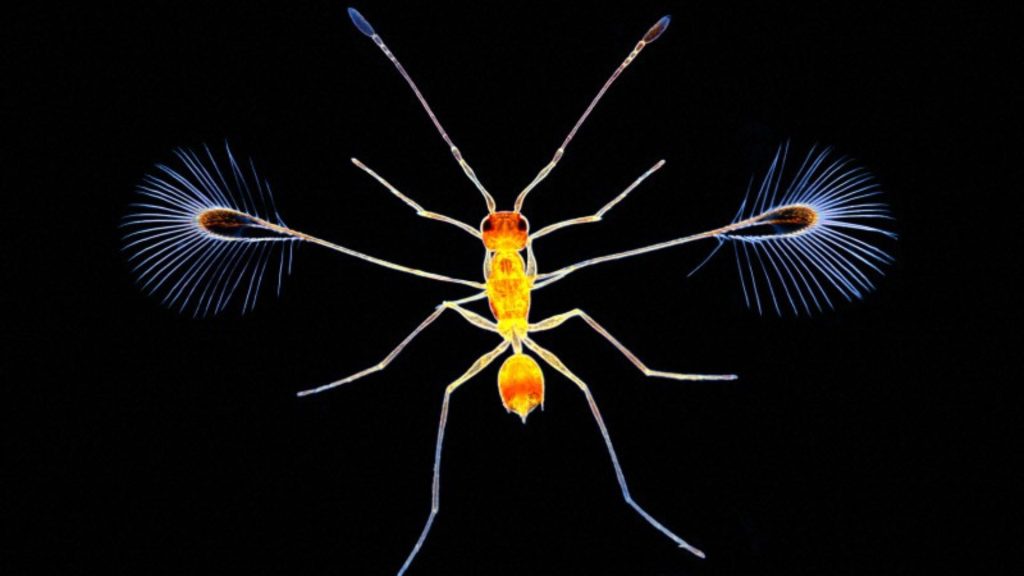
The Mymaridae are commonly known by the names of fairy flies and fairy wasps. The fairly fly belongs to the family of Chalcidoid wasps that live in tropical and temperate climates regions around the world. There are 100 genera in their family, of which there are 1400 species. In fact, Fairy Flies are tiny insects like other chalcid wasps, measuring 0.5 mm to 1 mm, i.e., 0.020 inches to 0.039 inches long. Due to their extra tiny size, they have got the title of smallest insect in the world. They can survive in all terrestrial places, including deserts and rainforests. Apart from these, five species of this tinny insect are aquatic inhabitants. These insects existed in the world during the Cretaceous Period, about 37 to 55 million years ago. It was discovered in 1901 by Fernand Anatole Meunier.
13. Madame Berthe’s Mouse Lemur: Mouse (3.6 inches)
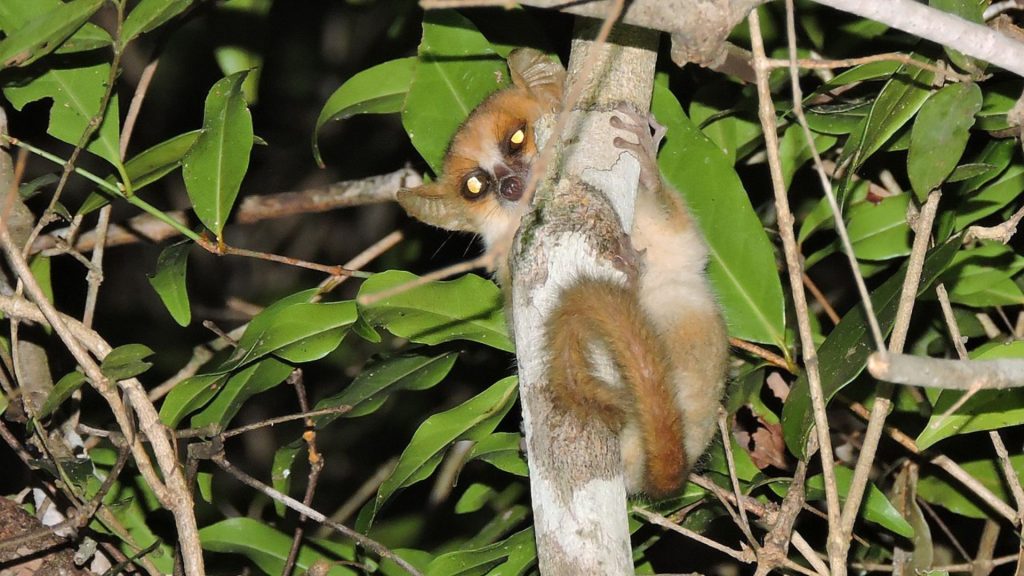
Madame Berthe’s Mouse Lemur or Berthe’s Mouse Lemur is the smallest mouse lemur in the world. The pygmy marmoset is the world’s smallest monkey, while Madame Berthe’s mouse lemur is the world’s smallest primate. Their usual body length is 9.2 cm, i.e. 3.6 inches, and their average weight has been reported to reach 30 grams. These primates are mainly found in the Kirindy Forest of Western Madagascar. These primates are omnivores; they feed on different fruits, flowers, and other shrubs. Apart from these, they consume insect secretions, gums, arthropods, and small vertebrates.
12. Brookesia Micra: Chameleon (1.1 inches)
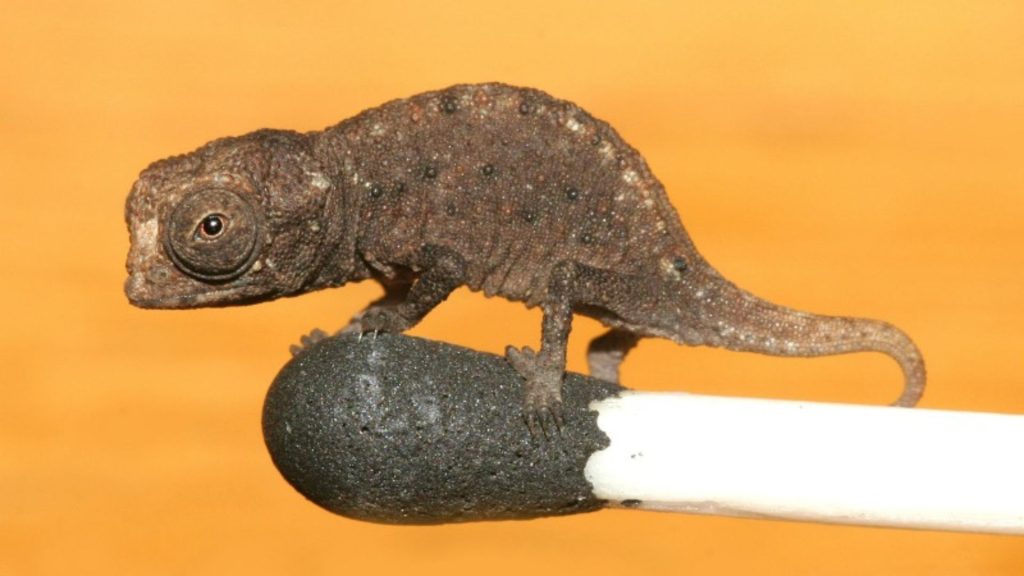
Brookesia Micra, often known as the Nosy Hara Leaf Chameleon, is a chameleon species. These tiny chameleons were discovered in 2012 on the islet of Nosy Hara in Antsiranana, Madagascar, where they were originally inhabited. Brookesia Micra is the tiniest chameleon in the world, as well as the world’s smallest reptile. They are smaller than Brookesia nana, measuring just about 29 mm, i.e. 1.1 inch. They are so tiny that they can easily sit on the top of your figure. A juvenile Brookesia Micra can easily fit upon the head of a match sick.
11. Bumble Bee Bat: Bat (1.1 inches)
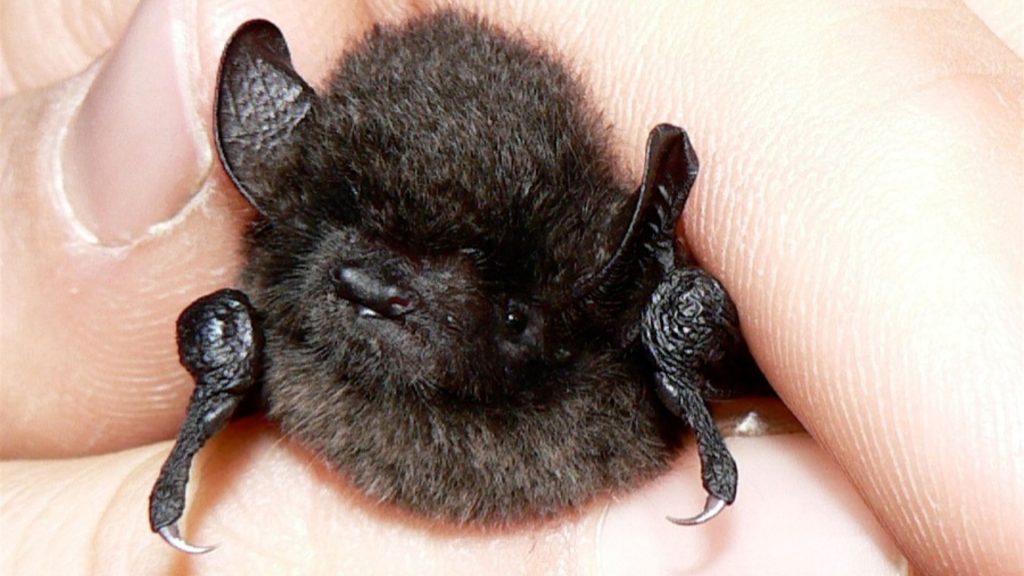
Kitty’s hog-noyed bat (Crosvectoris Thonglongii) is also known as the bumblebee bat. This bat species lives in limestone caves on the banks of rivers in Western Thailand and Southern Myanmar. A cave can have a population of about 100 tinny bats. The Bumblebee Bat is the smallest bat in the world. Its length ranges from 1.1 inches to 1.6 inches, i.e., 30 mm to 40 mm, and it weighs about 1.5 gms to 2 gms. They are so tiny that if they buzz in your ears at night, you may get confused by understanding them as beetles. These bats are identified by their distinctive muzzle. They have pig-like faces due to their large nostrils with a wide septum, and their coats are reddish-brown or grey in color. The Bumblebee is not only the smallest bat in the world, but it is also the smallest animal in the world by the size of its skull. This species of bat, which is the sole extinct member of the Craseonycteridae family, is approaching extinction.
10. Hippocampus Denise: Seahorse (2.4 cm)
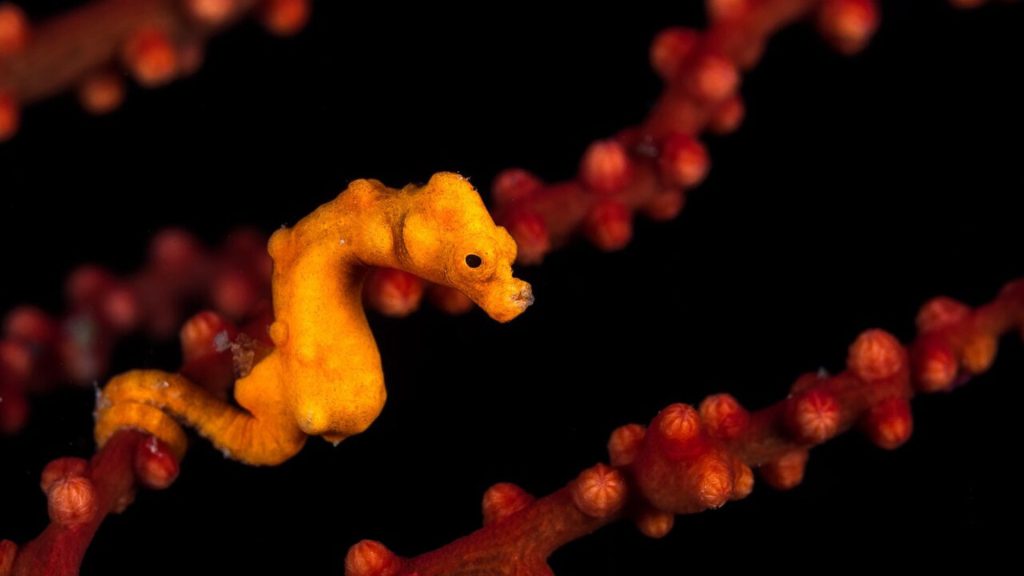
Dennis’s pygmy seahorse and Yellow pygmy seahorse are popular names for Hippocampus Dennis, a seahorse that belongs to the Syngnathidae family. These small fish can grow up to a maximum of 2.4 cm. (0.94 inches). With this tiny size, Denise’s pygmy seahorse is the world’s smallest sea horse. Their excellent camouflage skills protect them from predators. Like other seahorses, the males of this species also bear the responsibility of breeding. They inhabited the Western Pacific, which included Indonesia, Vanuatu, Palau, Malaysia, the Solomon Islands, and Micronesia. These seahorses may be found at depths ranging from 13 to 100 meters, and are usually hidden in the fields of the Horgonians.
9. Royal Antelope: Antelope (25 cm)
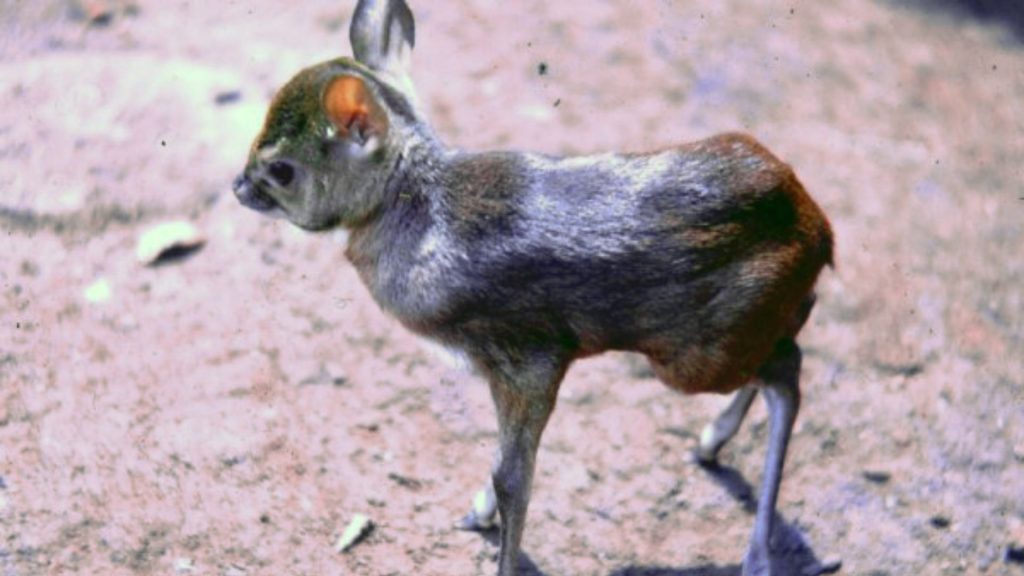
Royal Antelope (Notragus Pygmaeus) is a West African antelope. This is the world’s smallest antelope which was first identified in 1758 by the Swedish zoologist, Carl Linnaeus. The length from the shoulders is 25 cm i.e., 10 inches, and the weight is between 2.5 kilos and 3 kilos. The male has short, smooth spiky horns which are 2.5 to 3 cm, i.e., 1 inch to 1.2 inches long and bent towards the middle. Bates’ Pygmy Antelope are dwarf antelope species of the same genus as Suni and Royal Antelope. Compared to these two antelopes, the Royal Antelope has a longer snout, narrower lips, a small mouth, and neck muscles. These antelopes are found in the Western African countries of Cote d’Ivoire, Ghana, Guinea, Liberia, and Sierra Leone. These antelopes are inhabitants of the warm, moist lowland forests that contain shrubs and other plants with fresh and dense growth in the Western African countries of Cote d’Ivoire, Ghana, Guinea, Liberia, and Sierra Leone.
8. Pygmy Marmoset: Monkey (5.5 to 6.3 inches)
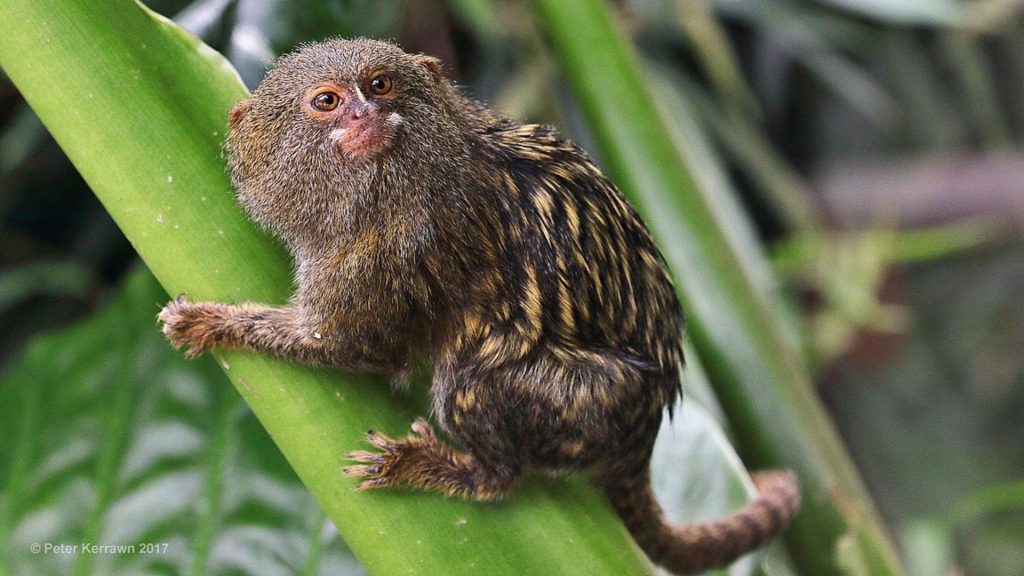
The pygmy marmoset (Cebuella Pygmaea) is a species of New World monkey found in the jungles of South America’s western Amazon basin, including Brazil, Colombia, Ecuador, Peru, and Bolivia. These primates prefer forests along the banks of the river. The pygmy marmoset is the world’s smallest monkey and one of the smallest primates. Their weight is about 100 gms and their body length is 5.5 inches to 6.3 inches, i.e., 14 cm to 16 cm, including their tail. These new world monkeys are so little that they’re sometimes referred to as ink pocket monkeys because they can easily get into someone’s breast pocket. At the time of birth, their weight is only 15 gms. Their diet is also unique, the same as their size. They use their sharp teeth and nails to climb a tree. They eat snakes, gums, and resins, as well as insects, depending on what is available on that tree.
7. Dwarf Lantern Shark: Shark (7.9 inches)
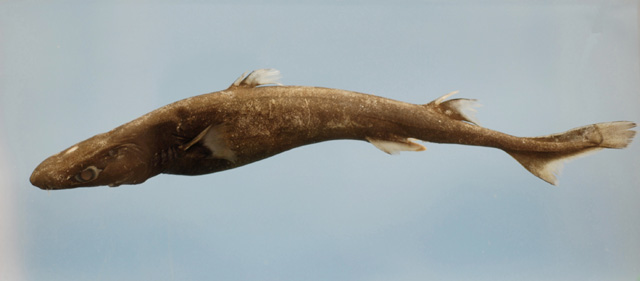
The dwarf lantern shark is a species of dogfish shark and it belongs to the family Etomopteridae. This shark species is the smallest shark in the world, reaching a maximum size of 20 cm, i.e., 7.9 inches. It is believed that this shark is now found in a small area of the Caribbean Sea off the coast of Colombia and Venezuela, migrating between Barranquilla and Santa Marta, close to the Guajira Peninsula, and between the Islands of Los Testigos and Granada. These sharks apparently inhabit a depth of about 283 m to 439 m (928 ft to 1440 ft) from the Upper Continental Slope. They have light-emitting organs in their bodies that allow them to camouflage to protect them from predators and help to hunt small creatures by attracting them to the deep and dark water.
6. Etruscan Shrew: Shrew (1.4 inches)
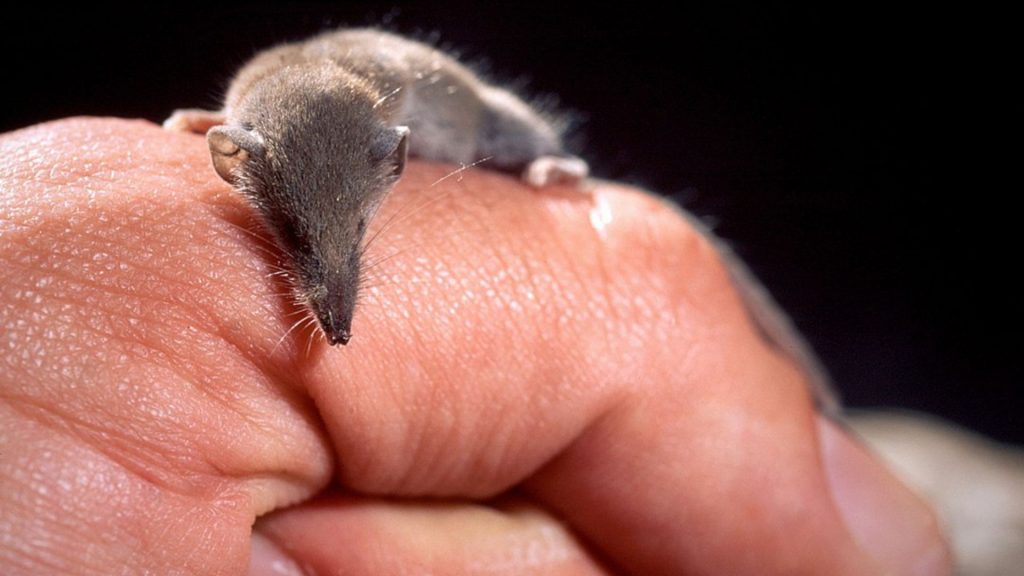
The Etruscan shrews, also known as the Etruscan pygmy shrew or white-toothed pygmy shrews. Etruscan shrews are the smallest mammal in the world, by weight which is just about 1.2 g to 2.7 grams. But in size, they are 1.4 inches to 2 inches, which is bigger than the Bumble Bee Bat. However, there is not always everything small about the Etruscan shrew. Their brains are the largest in proportion to the body weight of all animals, even humans. Due to their high metabolism ability, they have to eat 25 times a day, which is twice their body weight. Except during the breeding season, they like to remain alone. They inhabit the land from the Mediterranean region to Southeast Asia. These rats favor warm, damp, or moist climate regions, covered with plenty of water. So, they can easily hide from predators.
5. Speckled Padloper Tortoise: Tortoise (2.4 to 3.1 inches)
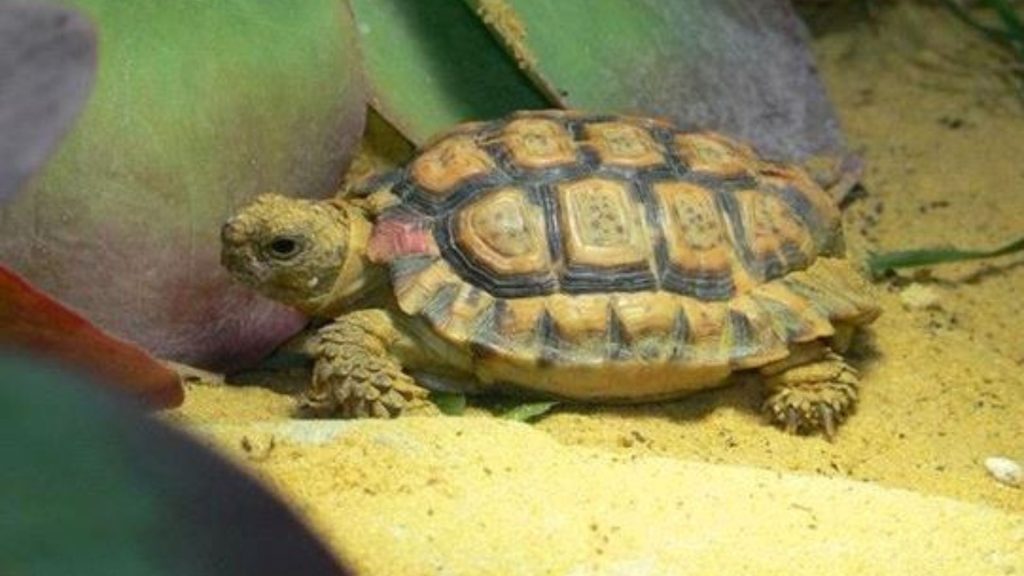
Chersobius Signatus is a species of tiny tortoise that belongs to the family Testudinidae. The tortoise of this species is commonly called the speckled tortoise. Locally, it is known as the Speckled Padloper and internationally, it is known as the Speckled Cape Tortoise, which is actually the world’s smallest tortoise. Males are observed up to 3.1 inches, i.e., 6 to 8 cm, while females are larger than males, which have been seen growing about 4 inches, i.e., 10 cm. They live in a small area of Little Namaland, an arid region in the west of South Africa. This tortoise lives in the rocky outcrops and forges in this arid region and these places and consumes the little succulent plants that grow between the boulders. These small crevices of rocks keep them safe from predators.
4. Paedocypris: Fish (0.3 inches)
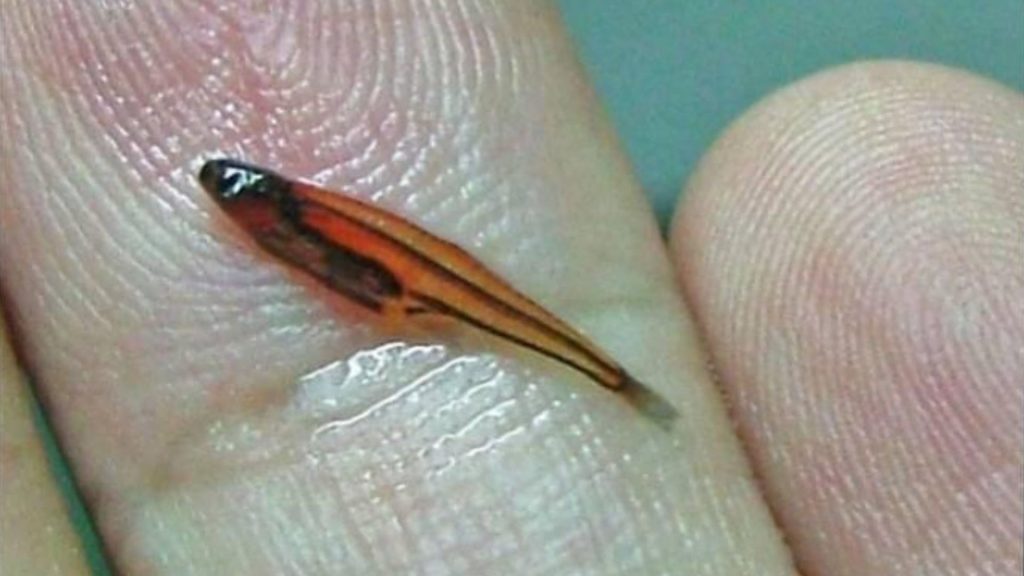
Paedocypris is a genus of small Cyprinid fish found in marshes and streams in the Indonesian islands of Borneo, Sumatra, and Bintan in southern Asia. This species is the world’s smallest fish, with adult specimens measuring 7.9 mm (0.3 inches) in length. They can survive in extreme drought because of their small size. However, due to their tiny size, they don’t even have a proper skull and their brains are exposed and unprotected without bones.
3. Bee Humming Bird: Bird (2.2 inches)
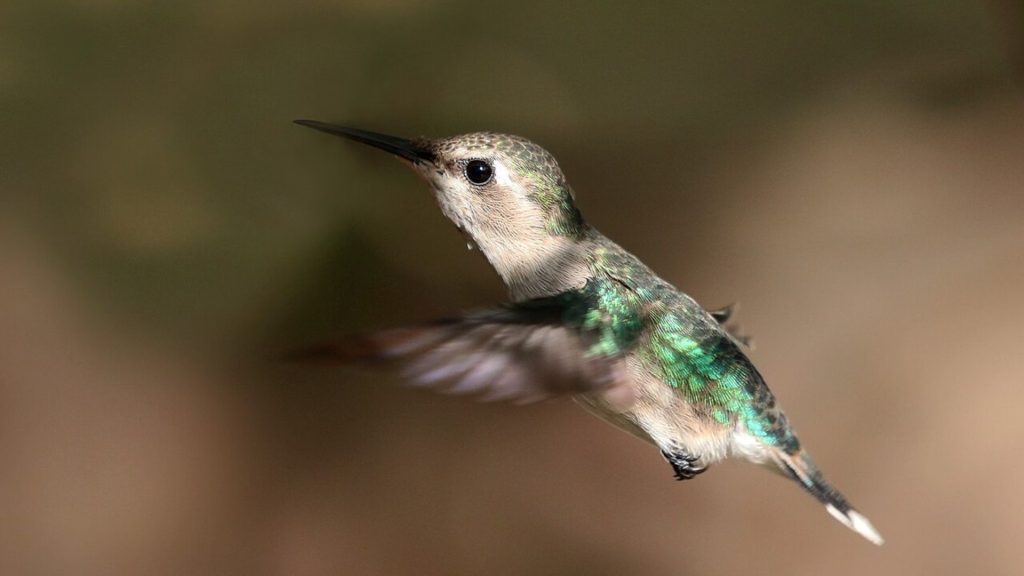
Bee Hummingbird, Zunzuncito, and Helena Hummingbird (Mellisuga Helenae) are a species of hummingbirds. This little bird is about 2.2 inches. 5.7 cm in length and weighs in about 1.8 grams. Due to its small size, it is the smallest bird in the world. You would not believe it, but this little bird can beat its wings up to 200 times in seconds. Females deposit 2 eggs at a time, which are shaped like coffee beans. This extraordinary bird species originally inhabits only Cuba.
2. Leptotyphlops Carlae: Snake (10.4 cm)
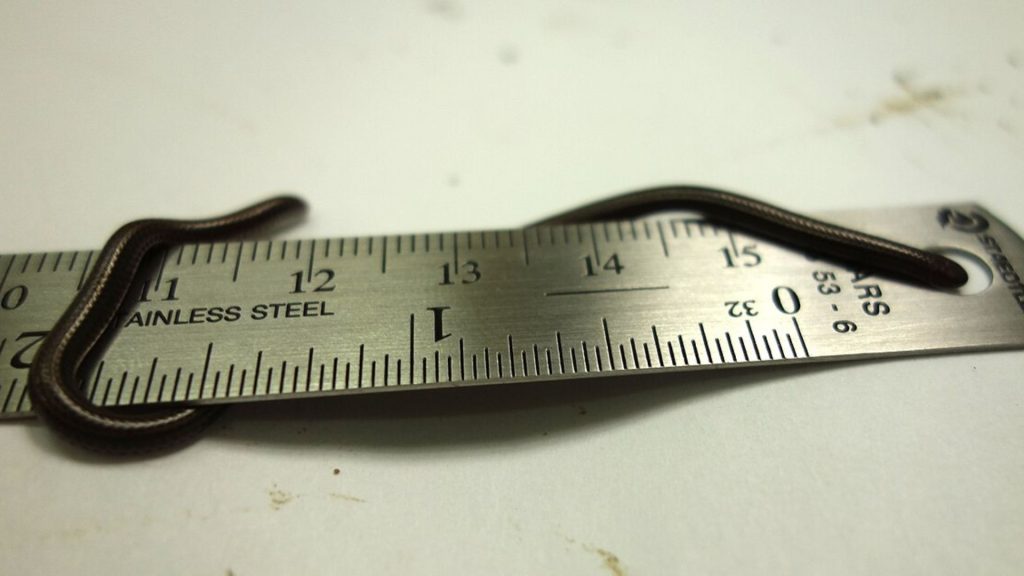
The Barbados thread snake is a species of thread snake that belongs to the family Leptotihalopidae. This species of serpent inhabits the Caribbean island of Barbados. They have also been sighted residing on the islands of Antigua and Barbuda, according to a report. Some zoologists believe that the entire population of thread snakes exists in just a few square kilometers of Barbados. With a size of about 4.1 inches, i.e., 10.4 cm, it is the smallest serpent in the world. These tiny snakes only feed on termites and ant larvae. Females of this serpent species lay one egg at a time.
1. Paedophrune Amauensis: Frog (7.7 mm)
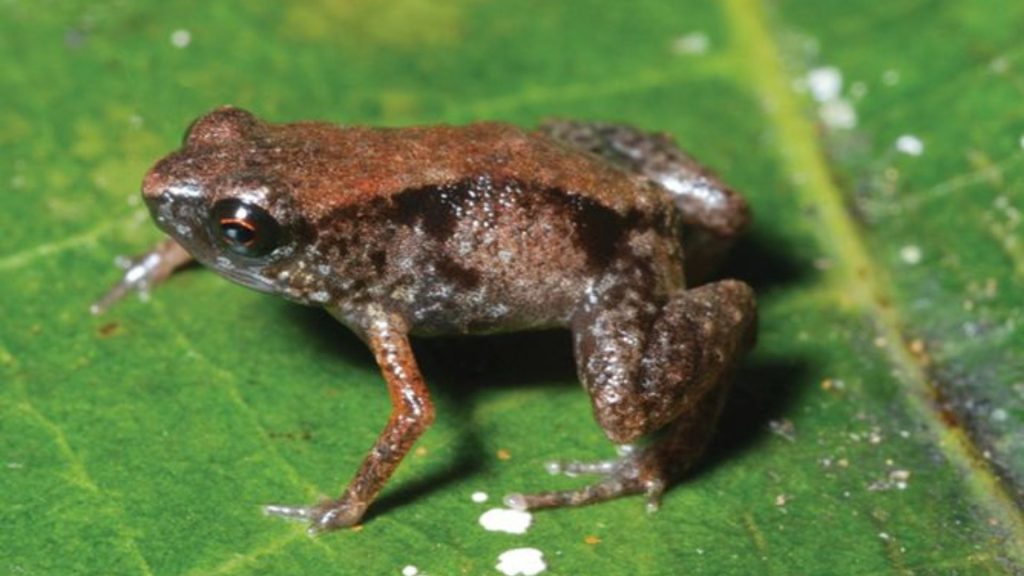
Paedophryne Amauensis is a species of microhylid frog that is the smallest frog in the world. In 2009, this species of frog was discovered by an American scientist in Papua New Guinea. With an average body size of 0.3 inches, i.e., 7.7 mm, this frog is not only the smallest frog in the world. Rather, it is also the smallest vertebrate in the world. These frogs are well known to hide in leaves and trash lying on tropical forest floors.
These are some of the world’s tiniest species that I have included in my list. If any of these creatures have surprised you, or you think other creatures should be named on this list, please comment down below.